
How to Make a Spawning Mop for Goldfish
Goldfish scatter sticky eggs over plants and other cover, and the parents will eat them if they stay in the tank. A yarn mop gives them a place to lay that you can lift out in one piece.
I made mine from a ball of acrylic yarn, a book, and a suction cup. It saves you from pulling apart a planted tank to hunt for eggs.
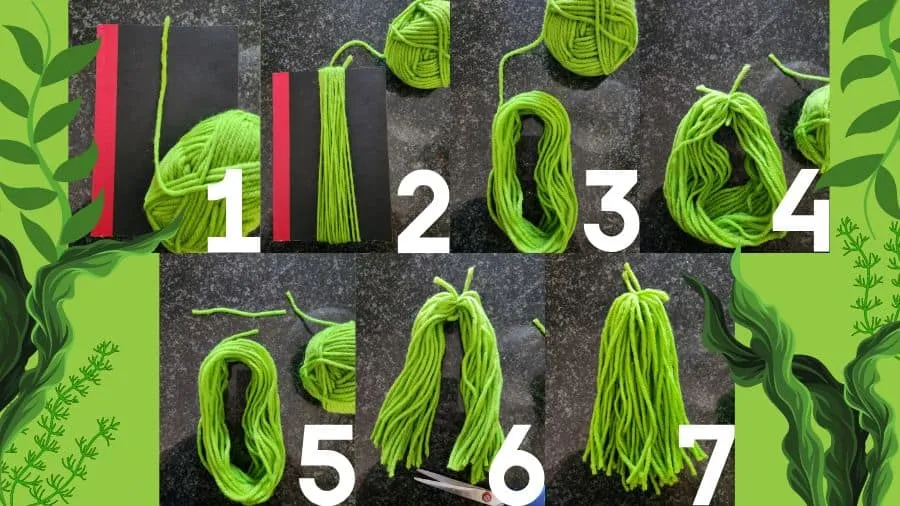
The whole build: wrap, tie, cut, and check
You need: new 100% acrylic yarn, a book or stiff piece of cardboard, scissors, an aquarium suction cup with a loop, and a clean container for rinsing.
- Pick the length. Use a book or card about as tall as you want the strands to hang.
- Wrap the yarn. Wind it around the book 40 to 100 times, then cut it from the ball. Fewer wraps make a thinner mop, and I used about 30 for the one shown below.
- Tie the top. Slide a separate piece of yarn under the bundle at one end. Tie a tight double knot and leave the ends long enough to reach the suction cup.
- Cut the bottom. Slide the bundle off the book. Cut through all the loops at the end away from the knot.
- Trim and attach. Clear away loose bits, even up the ends, and tie the mop tightly to the suction cup.
- Rinse and check. Rinse without soap, then soak it in dechlorinated water. Throw out yarn that leaks dye, smells strong, or sheds fibers.
Choose plain yarn and a safe way to hang it
Read the label. Pick plain acrylic with no glitter, metallic thread, scent, or special treatments. A darker color makes pale eggs easier to spot, but the material matters more than the color.
The Aquarium Co-Op yarn mop instructions use 100% acrylic and the same basic build for egg-scattering fish like goldfish. Their mop can stick to the glass, float, or sink, and a suction cup keeps this version simple.
A fiber label doesn’t prove that every dye or coating is safe for fish. If you’re not sure how the yarn was treated, ask the maker or buy a mop made for aquariums. Rinsing can’t make an unknown chemical safe.
Use a suction cup made for aquariums. Skip old wine corks, bare wire, metal clips, and painted weights. Keep the loop at the top short so a fish can’t swim into it.
Fit the mop in the tank
Press the suction cup onto clean glass near a spot the fish already like. Let the strands hang freely with open swimming space around them. Keep them away from filter intakes and sharp decorations.
For a lower mop, stick the suction cup farther down the glass. Trim strands that pile up in a tangle on the floor. There’s no need to fill the tank with yarn or make the mop as thick as possible.
Give it a light tug to make sure the knot and suction cup hold. Watch the fish after you add it, and take it out if strands catch on fins or the fish struggle to get past.
A mop gives sticky eggs somewhere to land, but it won’t make fish spawn. The season, good food, and healthy adults still matter, as the Merck Veterinary Manual’s fish breeding guide explains.
Move the mop after spawning
Have the nursery ready before the mop goes in. When spawning ends, check the strands for tiny stuck eggs. Move the whole mop in a container of tank water, keeping the eggs underwater instead of picking them off.
Don’t leave the mop with the adults while you wait for the eggs to hatch. Follow what to do when goldfish lay eggs for nursery water, egg checks, and first feeding.
If this is your first planned spawn, the goldfish breeding simulator lets you practice the care choices that come after collecting eggs.
Check the mop before you use it again
Once no eggs or fry are left, remove trapped dirt and rinse the strands. Look for loose knots, broken fibers, and tangles. Replace a worn mop instead of tying extra loops around damaged spots.
Rinsing removes dirt but doesn’t kill germs. Give each tank its own mop, and never move one from a sick tank to a nursery. University of Florida fish health advice says each tank system should have its own gear, or shared gear should be disinfected.
Let the clean mop dry fully before you store it. Don’t assume every yarn or suction cup can be boiled. Check the maker’s instructions before using heat or a cleaner that kills germs.
Free for breeders
Raising fry to sell?
Put your fish room in our breeder directory, where keepers look for fish by state and variety. A listing is free, and you stay in charge of it.
Home fish breeder sharing practical aquarium, egg-care, and fry-raising methods.
Related guides
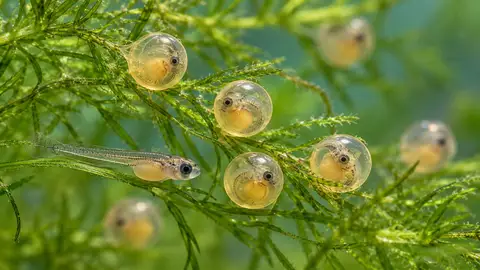
How Long Do Goldfish Eggs Take to Hatch?
Water temperature sets the pace. Compare hatch times measured at five temperatures, learn the signs eggs are on track, and see why some never hatch.
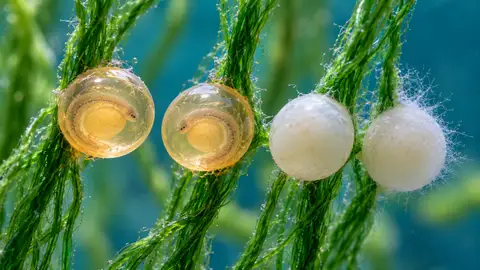
Fertilized vs Unfertilized Goldfish Eggs: How to Tell Them Apart
Fresh eggs all look alike at first. Learn the signs that show which ones are developing, what white or fuzzy eggs mean, and what to do with each.
What to Do When Goldfish Lay Eggs
Found eggs after a spawn? Protect them from the adults, prepare a nursery, and recognize when the young are ready for their first food.